
Writing Help 129 | - ☆ Freelance Writer
Apr 05, 2013 | #1
Terms You Need for Writing about the Novel
It has often been said that with no conflict, there would be no novel, and I couldn't agree more wholeheartedly. Imagine opening a book and reading 300 pages where all goes smoothly and no complications arise for any of the characters. What you would have is a boring recounting of the mundane events of the lives of several people you do not know, and while this might be a useful sleeping aid, it would make for terrible reading.
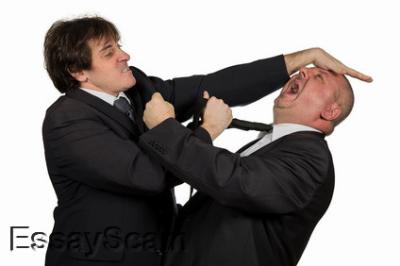 Conflict is a term most of us understand without need of a formal definition, but to formalize it somewhat for this article, I would define it as the clashing of opposing powers, at least one of which attempts to limit of nullify the other. This is intentionally general, and I believe it has to be, since conflict can occur on so many levels, and around so many different kinds of struggles. In fiction, the four main kinds of conflict are character versus character, character versus nature, character versus self, and character versus society. Most of these are not mutually exclusive categories, and even the term character must be redefined for certain novels where the characters are not even people, but animals, aliens, or robots. However, with these four types in mind, an examination of the various conflicts that power a given novel will be possible.
Character versus character is the most obvious sort of conflict, and we see this in almost every novel that has been printed. There are many degrees of conflict within most novels, ranging from the primary conflict that overarches the entire story to nearly insignificant ones that have no real effect. When a character versus character conflict is at the heart of a story, we often have a protagonist (or hero) pitted against an antagonist (or villain), with the story's outcome resting on the result of a battle between them. The original Star Wars movies and novels are a good example of this, as Luke Skywalker must resolve the conflict with his father Darth Vader in order to be successful.
Character versus nature is less common, and most stories with this conflict in the center also contain other types of conflict as well, as it is difficult to sustain a novel over a sufficient period if one of the major antagonists is not even aware of what it is doing. One notable exception might be Hemingway's classic The Old Man and the Sea, where an ageing fisherman battles the elements and a great marlin for days, finally succeeding in bringing it to shore but at the cost of his life. Moby Dick is another well known example, where the embittered captain relentlessly hunts the whale that took his leg. Stories of survival are also centered on this kind of conflict, since the protagonist must battle natural forces (storms, heat, cold, thirst) in order to achieve her goals (most notably, survival).
Character versus self is most obviously portrayed in films featuring psychotic characters who must battle a rogue personality or the voices in their head in order to be successful. More subtle versions of this kind of conflict occur when a character must face a fear, break an addiction, fight a habit, or simply make a difficult choice. This is often emblemized in cartoons by a devil sitting on one shoulder and an angel sitting on the other, and while this is certainly not necessary for this type of conflict to occur, the idea is the same.
Finally, we have character versus society, which can in some ways be seen as a combination of some of the others. First, since society is composed of people, the character is in conflict with individuals. Also, since many people functioning together toward a single goal with similar aims begins to resemble a natural force, like in Steinbeck's The Grapes of Wrath, this conflict type also resembles that of character versus nature. Almost any time a character is fighting for what is right in the face of oppression, we have a case of character versus society. Movies dealing with racism, sexism, battling large corporations, and the like, all fall under this category.
Conflict
It has often been said that with no conflict, there would be no novel, and I couldn't agree more wholeheartedly. Imagine opening a book and reading 300 pages where all goes smoothly and no complications arise for any of the characters. What you would have is a boring recounting of the mundane events of the lives of several people you do not know, and while this might be a useful sleeping aid, it would make for terrible reading.
Conflict is a term most of us understand without need of a formal definition, but to formalize it somewhat for this article, I would define it as the clashing of opposing powers, at least one of which attempts to limit of nullify the other. This is intentionally general, and I believe it has to be, since conflict can occur on so many levels, and around so many different kinds of struggles. In fiction, the four main kinds of conflict are character versus character, character versus nature, character versus self, and character versus society. Most of these are not mutually exclusive categories, and even the term character must be redefined for certain novels where the characters are not even people, but animals, aliens, or robots. However, with these four types in mind, an examination of the various conflicts that power a given novel will be possible.Character versus character is the most obvious sort of conflict, and we see this in almost every novel that has been printed. There are many degrees of conflict within most novels, ranging from the primary conflict that overarches the entire story to nearly insignificant ones that have no real effect. When a character versus character conflict is at the heart of a story, we often have a protagonist (or hero) pitted against an antagonist (or villain), with the story's outcome resting on the result of a battle between them. The original Star Wars movies and novels are a good example of this, as Luke Skywalker must resolve the conflict with his father Darth Vader in order to be successful.
Character versus nature is less common, and most stories with this conflict in the center also contain other types of conflict as well, as it is difficult to sustain a novel over a sufficient period if one of the major antagonists is not even aware of what it is doing. One notable exception might be Hemingway's classic The Old Man and the Sea, where an ageing fisherman battles the elements and a great marlin for days, finally succeeding in bringing it to shore but at the cost of his life. Moby Dick is another well known example, where the embittered captain relentlessly hunts the whale that took his leg. Stories of survival are also centered on this kind of conflict, since the protagonist must battle natural forces (storms, heat, cold, thirst) in order to achieve her goals (most notably, survival).
Character versus self is most obviously portrayed in films featuring psychotic characters who must battle a rogue personality or the voices in their head in order to be successful. More subtle versions of this kind of conflict occur when a character must face a fear, break an addiction, fight a habit, or simply make a difficult choice. This is often emblemized in cartoons by a devil sitting on one shoulder and an angel sitting on the other, and while this is certainly not necessary for this type of conflict to occur, the idea is the same.
Finally, we have character versus society, which can in some ways be seen as a combination of some of the others. First, since society is composed of people, the character is in conflict with individuals. Also, since many people functioning together toward a single goal with similar aims begins to resemble a natural force, like in Steinbeck's The Grapes of Wrath, this conflict type also resembles that of character versus nature. Almost any time a character is fighting for what is right in the face of oppression, we have a case of character versus society. Movies dealing with racism, sexism, battling large corporations, and the like, all fall under this category.